
The Commercial Environment: Pt1 - An Uncontrolled System
'You said that order would land on date X!' - Puce-Faced Sales Manager
'We are Y% behind metric Z' - Director of Fear Enablement
'This is the end' - Jim Morrison
DRAMA! MAYHEM! PANIC!
Fiscal quarter end is often a chaotic time, even when your quarter has gone well.
If a fraction of the energy that went into bleating about arbitrary facts and figures went into understanding the commercial environment in which we operate, maybe things wouldn't be quite so hectic…
* * *
WHAT IS THE COMMERCIAL ENVIRONMENT?
Imagine a box…

Fig 1: A BoxA box with inputs and outputs…
Fig 2: A Box With Inputs and OutputsThe inputs are different from the outputs, so we know something happens inside the box, although we aren't sure what exactly.
Fig 3: A Box With Something Happening In ItBut you are happy enough, you like the output and you want more, so you keep adding inputs.
Imagine that someone else likes the output, and starts adding their own inputs.
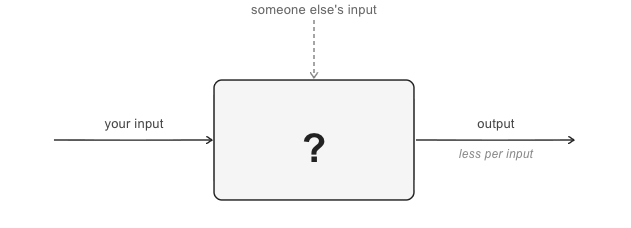
Fig 4: A Box With Someone Else’s InputThis takes away from the number of outputs you get per input, which is much less satisfying!
To remedy this, you add more supporting inputs, and when you don't get the output you modify some of your inputs.
This box, is what I call the 'commercial environment.’
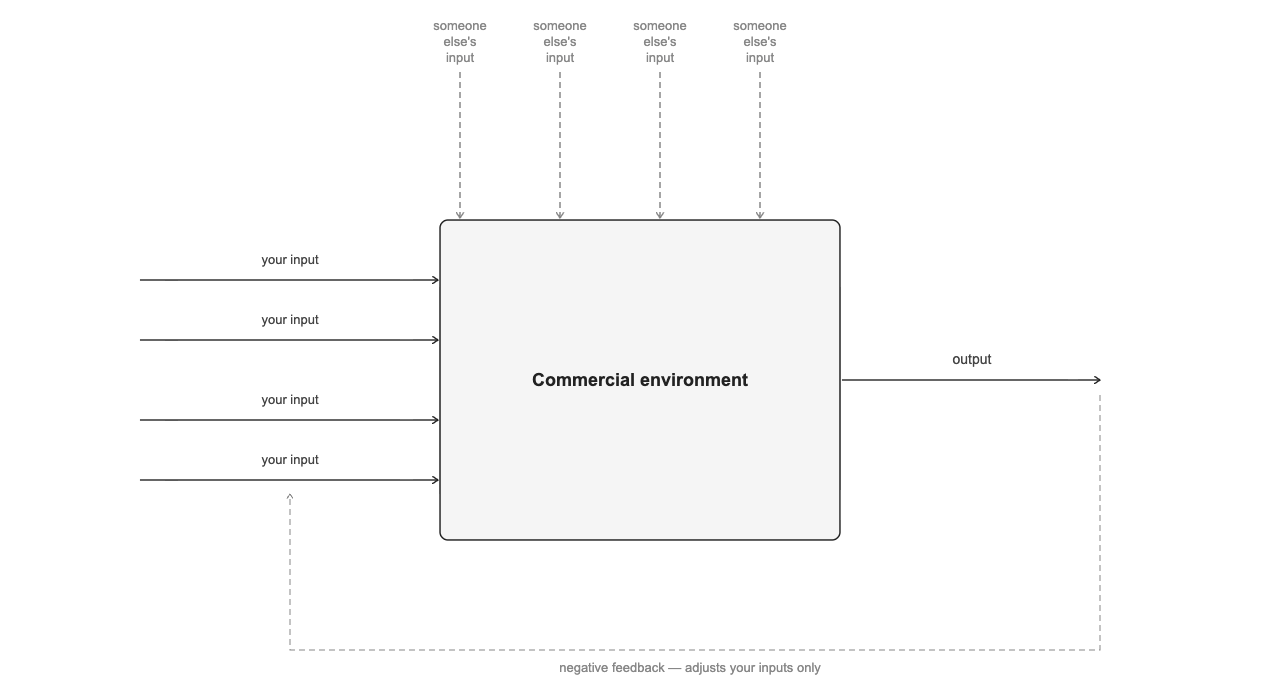
Fig 5: The Commercial Environment
* * *
‘Is this the start of a trend?’
'Is there anything you can pull in from next quarter?'
‘Ian, can you ring Our-Valued-Customer Ltd and get them to bring that really complicated project order forwards by three months?’
(Sometimes, occasionally, a customer will be in a position to 'help out' by placing an order before they are ready. This is an act of charity, not the outcome of a strategy. When begging for charity is the plan, its worth taking a step back and assessing what has gone wrong.)
* * *
HOW DO YOU CONTROL THE COMMERCIAL ENVIRONMENT?
There are different ways that the commercial environment can be controlled.
Minimalist
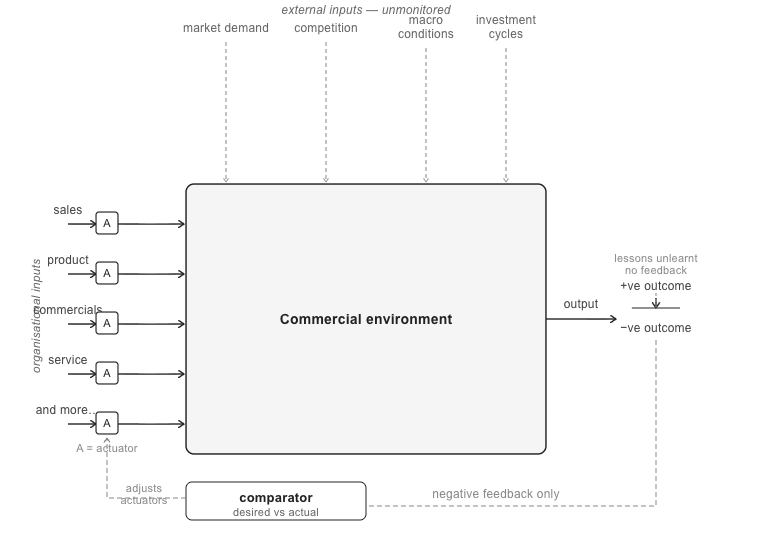
Fig 6 - A Minimalist Control SystemIn the minimalist control system you will notice the following features:
Inputs enter the commercial environment, both internal (from your business) and external (from outside of your business). An output (buying decision) comes out
External inputs go into the commercial environment, but are neither controlled or measured. These include market demand (demand for customers offerings) competition, Legislation, investment cycles and so on
Internal inputs include sales, services, customer support, terms and conditions, branding, reputation, products etc
Outputs are either +ve (you get an order) or -ve (someone else gets an order)
+ve outputs go unscrutinised (“We won because i’m great!” - every sales person ever)
-ve outputs are fed back via a comparator, which then adjusts the internal inputs by tweaking the actuators. (“We lost because you’re not pulling your weight!” - every sales person ever)
A system like this grows organically in consistently performing markets. It is cheap to operate, allowing some feedback to control inputs (in reality, this would be feedback through escalation, quality processes, feedback sessions with customers) without expending additional resource.
Maximalist
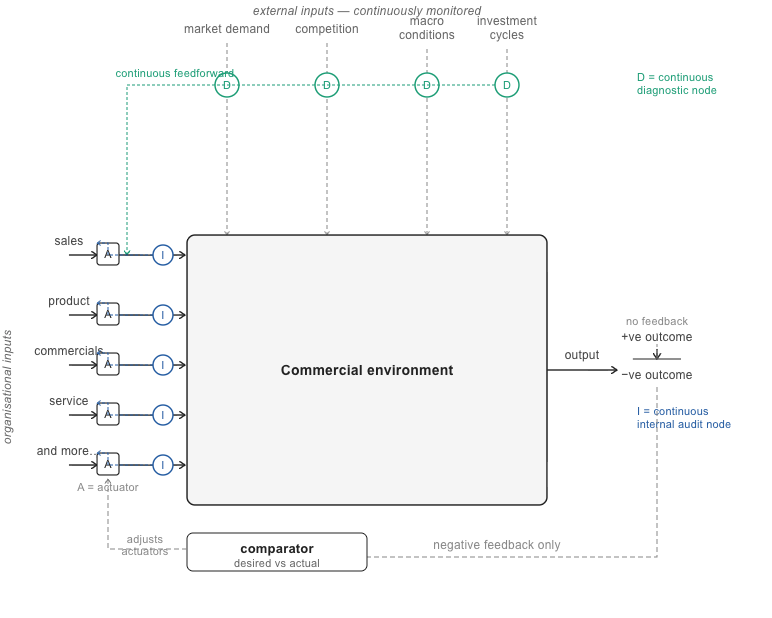
Fig 7: A Maximalist Control System The maximalist control system shares all the features of the minimalist, with the addition of
Continuous monitoring and diagnosis of all external inputs
An additional audit loop for each internal input
These additions mean that any changes in external inputs are caught immediately, and any issues with internal inputs can be captured and fed back so changes can be made before a negative outcome.
Abstractly, this system is ideal. It allows you all of the information on your competition, all of the information on customers financial health and everything you could possibly want to know about legislation.
However, when you start considering what it would look like in reality, you start to see it is a long way from 'lean'.
Performing diagnostics on each external input can be labour intensive and expensive. For example, having a full time function monitoring the demand for your customers offerings and calculating the impact this will have on their available budgets is great way to understand the actual price point you can achieve, but on a continuous basis, especially if the market behaviour is long term stable this is a role will add full time cost for the confirmation that everything is as expected.
A continuous auditing process would ensure strict control of the internal inputs, but would also slow down business execution, while decreasing ratio of revenue generating hours per activity.
Hybrid
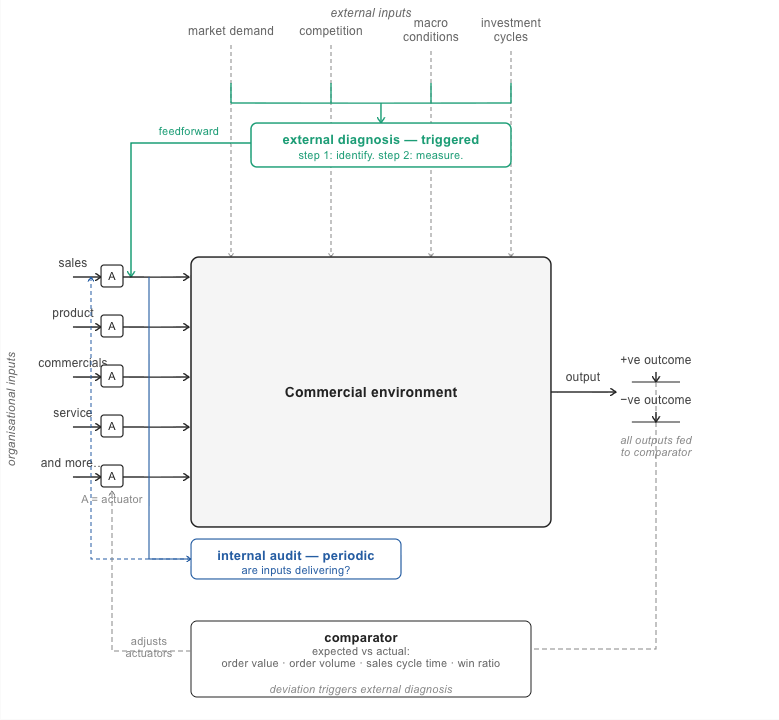
Fig 8: A Hybrid Control SystemCombining the maximalist and minimalist systems, we can create a hybrid system that combines the cost effectiveness of the former with the insight of the latter.
We do this by triggering the external diagnostics by analysis of the outputs.
We use our existing data to define expected values for, say,
Order Value
Order Volume
Win - Ratio
Sales Cycle Time
We feed all outputs, +ve and -ve through our comparator, which monitors the deviation from the expected value (signal to noise ratio)
After enough outputs, we will have a sample size large enough to calculate if there is a significant change versus what is to be expected, given our assumptions about the external inputs and how our internal inputs play against them. For example, if the average sales cycle time used to be 6 months for an order of average value, and now it is 12 months, then this suggests that there is something new worth understanding about the foundations of customers buying behaviours. What that particular thing might be is worth investigating.
Periodic internal audits, such as consultation about commercial terms or product releases, can be performed before release into the commercial environment, meaning internal inputs can be validated without the dependancy on a negative outcome as feedback.
At this point, a diagnostics investigation can proceed, and the expense of doing so (either through diverting the time of an existing resource, or by employing an external consultancy to conduct some research) has been justified by the signal the comparator has observed in the outputs.
An audit of internal inputs, conducted after the external diagnostics are complete, is the logical final step before making any corrective changes.
* * *
'I'm setting up this daily meeting to track progress on orders until the end of the month.'
Sigh…
* * *
The mathematics of signal to noise ratio for each of order value, order volume, sales cycle time and win ratio is simple statistics, nothing that a generous blogger couldn't easily explain in one post, with an accompanying free download of a spreadsheet calculator which will tell you if you have an actual problem to investigate, or whether, like end of quarter, it is just sales related noise, with no meaning.
Your numbers already know whether your environment has changed. The question is whether you have the monitors in place to notice - and the controls in place to correct.